
 الإنجليزية
 中文简体
中文简体 Русский
 Español
 Português
 Türkçe
 العربية
 Deutsch
 Polski
 Italiano
 Français
 한국어
한국어 ไทย
ไทย Tiếng Việt
 日本語
日本語
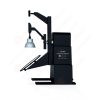

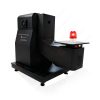
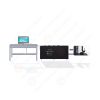
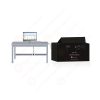












جهاز اختبار التكسير عن بعد 330N
مستخدم المالكين
قابل للتطبيق LISUN الموديلات: LS-B24
1. فهم أساسي للمعدات
1.1 الخصائص الأساسية
This device is designed for specialized testing of the mechanical strength and static pressure resistance of handheld remote control units.
It is primarily used in electrical appliance quality inspection laboratories, the quality control departments of handheld remote control manufacturers, third-party testing organizations, and for the inspection of products entering or leaving the country.
1.2 المعايير المطبقة
Designed and manufactured in strict accordance with Clause 4.8.4.6 of GB/T 4943.1-2022 “Audio-Video, Information Technology, and Telecommunications Equipment—Part 1: Safety Requirements” (Clause 4.8.4.6 of IEC 62368-1:2023), testing, operation, and evaluation shall be conducted in accordance with this standard.
Conduct a static pressure test on the remote control device in accordance with the load, application angle, and pressure holding time specified in the standard. After testing, the test specimen should show no cracks, no permanent deformation beyond the specified tolerance, and no indentations or dents that would affect normal use.
1.3 مبادئ الاختبار
1.3.1 مبادئ الضغط الميكانيكي
It uses a gravity-loading mechanism to apply a standard, constant load vertically to the surface of the remote-controlled device.
1.3.2 Principles of Detection and Analysis
After the pressure-holding time specified in the standard has elapsed, observe the appearance of the remote control device and the dimensions of the indentation, and determine whether the mechanical strength of the remote control device meets the requirements by comparing it with national and international standards.
1.4 تنزيل المستندات الإلكترونية
لقد أرسلنا بالفعل روابط تحميل دليل المستخدم الإلكتروني، وشهادة المعايرة، وبطاقة الضمان، وغيرها من المستندات عبر البريد الإلكتروني عند الشحن. يُرجى تحميلها في أقرب وقت ممكن. إذا لم تستلم البريد الإلكتروني، يُرجى التواصل معنا لطلب روابط التحميل مرة أخرى.
2. احتياطات الاستخدام
2.1 متطلبات السلامة في بيئة التشغيل
درجة حرارة بيئة التشغيل: من 10 درجة مئوية إلى 35 درجة مئوية؛ الرطوبة النسبية: من 45% إلى 75%؛ لا يوجد تكثف، ولا غازات أكالة، ولا غبار محمول في الهواء.
ضع الجهاز على طاولة عمل مستوية وثابتة مع وجود مسافة لا تقل عن 30 سم من جميع الجوانب، بعيدًا عن مصادر الاهتزاز.
2.2 إرشادات السلامة للمشغلين
During testing, do not extend any body parts between the support surface and the force application plane to prevent crush injuries.
Samples must be securely positioned to prevent them from slipping or shifting during loading, which could pose a safety hazard.
It is strictly prohibited to add weights beyond the equipment’s rated load or to apply external force to force the loading mechanism down. This is to prevent equipment damage and safety incidents.
3. مقدمة لإعداد الاختبار
انظر الشكل 3-1.
| رقم الهاتف | ملاحظات |
| ① | Handwheel for adjusting the height of the force application plane |
| ② | Weights and their stands, rated load capacity: 330 N |
| ③ | Force application plane, 100 mm × 250 mm |
| ④ | Rigid support surface, larger than 150 mm × 300 mm |
| ⑤ | Adjustable base to ensure the unit is level |
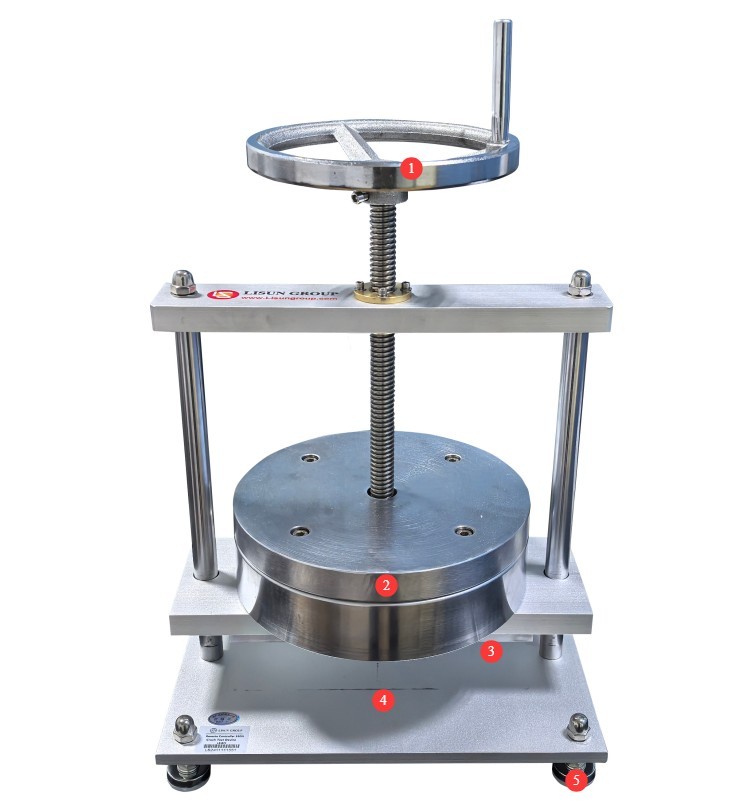
الرقم 3-1
4. Steps for Conducting the Compression Test
| رقم الهاتف | ملاحظات |
| ① | Use the handwheel to lift the weight |
| ② | Place the remote control on the rigid support surface of the test apparatus in the position that would result in the most adverse outcome, directly beneath the force application plane. |
| ③ | Use the handwheel to lower the weight and press it down onto the remote control. Apply force to the exposed top and back surfaces of the remote control while it is in a stable position. Please bring your own stopwatch to time the process. |
| ④ | The force is applied for 10 seconds; after the force application period ends, use the handwheel to lift the weight. |
| ⑤ | In accordance with Section 1.3 and relevant standards, inspect the remote control to verify that it has passed the test. |
5. إجراءات ما بعد الاختبار
5.1 إعادة ضبط الجهاز
Use the handwheel to lower the position of the weight so that the force application surface comes into contact with the rigid support surface, thereby preventing the device bracket from being subjected to prolonged stress when not in use.
5.2 تحضير العينة
افصل العينات التي اجتازت الاختبار وتلك التي فشلت فيه، وقم بتسميتها بوضوح، وتجنب أي لبس.
5.3 تنظيف وترتيب موقع الاختبار
Use a lint-free, soft cloth to wipe dust and debris from the surface of the test apparatus, the rigid support surface, and the force-application surface. Do not rinse the equipment directly with water.
قم بتنظيم الأدوات على طاولة العمل، ورتبها بدقة، ونظف أي بقايا متبقية من التجربة.
6. الصيانة والعناية الروتينية
6.1 الصيانة الدورية
Every three months, apply a small amount of neutral grease to the handwheel lead screw to prevent rust and seizing; apply rust-preventative oil to the rigid support surfaces and force-application surfaces to prevent rust from affecting the test.
6.2 متطلبات فترة المعايرة
لضمان دقة الجهاز وموثوقيته، يُنصح بإرساله دوريًا إلى مختبر قياسات معتمد تابع لجهة خارجية لإجراء المعايرة. يُوصى بإجراء المعايرة كل 12 شهرًا. ويمكن للمستخدمين تحديد فترة المعايرة المناسبة بناءً على وتيرة الاستخدام والظروف البيئية ومتطلبات نظام الجودة.
7. استكشاف الأخطاء وإصلاحها وحل المشكلات الشائعة
| أعراض الخلل | الأسباب المحتملة | العملية |
| يتحرك الحامل لأعلى ولأسفل بشكل متقطع | Dust buildup on the slide rails, insufficient lubrication, or foreign objects lodged in the rails | حاول مرة أخرى بعد إزالة الغبار من قضبان الانزلاق، وتجديد مادة التشحيم، وإزالة أي أجسام غريبة من الفجوات. |
| Force Offset Tilt | The device is not level, and the test specimen is not properly positioned. | Make sure the device is level; after remotely repositioning the test specimen properly, try again. |