
 الإنجليزية
 中文简体
中文简体 Русский
 Español
 Português
 Türkçe
 العربية
 Deutsch
 Polski
 Italiano
 Français
 한국어
한국어 ไทย
ไทย Tiếng Việt
 日本語
日本語
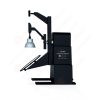
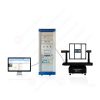
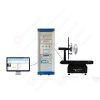

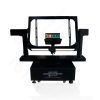
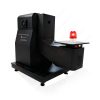
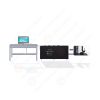











اختبار كفاءة ترشيح الجسيمات
مستخدم المالكين
قابل للتطبيق LISUN الموديلات: GLE-20
I. نظرة عامة على المعدات
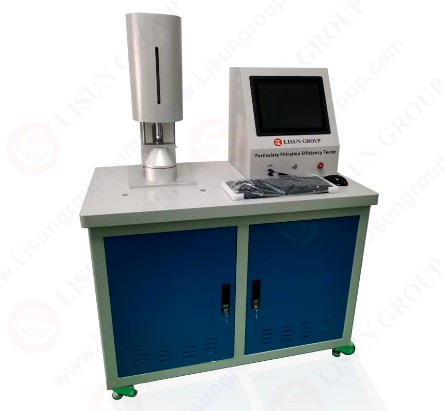
نظرة عامة على الأداة:
The Particulate Filtration Efficiency Tester is used to test the particulate filtration efficiency of everyday protective masks, respiratory protective equipment (such as self-contained filtering respirators), and to determine the resistance to a constant airflow of general-purpose fabrics and nonwoven fabrics. It is suitable for medical device testing centers, safety protection testing centers, occupational safety and health testing centers, pharmaceutical testing centers, disease prevention and control centers, textile testing centers, hospitals, and manufacturers of masks and melt-blown fabric.
المعايير المعمول بها:
• Designed and manufactured in accordance with GB 32610-2016, “Technical Specifications for Everyday Protective Masks,” and GB 2626-2019, “Respiratory Protective Equipment—Self-contained Filtering Particulate Respirators.”It also incorporates advanced design concepts from similar international equipment (such as that from TSI in the United States), while remaining suitable for the current testing conditions in relevant domestic industries.
• GB 2626-2019 Respiratory Protective Equipment—Self-contained Filtering Particulate Respirators.
• GB/T 32610-2016 Technical Specifications for Everyday Protective Masks.
• GB 24539-2009 General Technical Requirements for Protective Clothing—Chemical Protective Suits.
مواصفات أساسية
1. Flow meter range for filter efficiency testing: (10–100) L/min, with an accuracy of 2%.
2. Filtration efficiency measurement range: (0.001–99.999)%.
3. Filtration efficiency sampling frequency: 1–60 times per minute; can be set as desired.
4. Particulate matter concentration for filtration efficiency: (0.001–200) mg/m³.
5. Differential pressure sensor range: 0–1000 Pa.
6. Test area: 100 cm².
7. Aerosol: Sodium chloride (optional additives: DOP, paraffin oil, corn oil).
8. Flow rate range: 32 L/min and 85 L/min.
9. Power Supply: AC 220 V, 50 Hz.
10. Control Method: Touchscreen computer control; can be operated via the touchscreen or with a mouse connected via USB; operation is simple and intuitive.
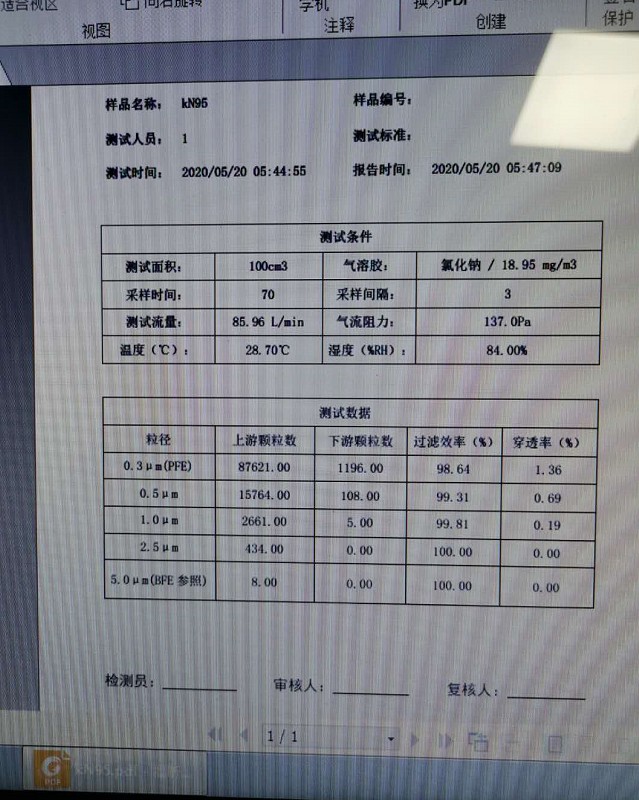
11. Once testing is complete, a PDF test report is automatically generated, and test data can be exported, so there is no need to worry about data loss.
12. Easy to operate: Users simply place the test sample in the fixture, press the button, and adjust the test flow rate; the system will then automatically test the filtration efficiency via the controller (PLC). The entire process is simple, fast, and efficient.
المتطلبات القياسية:
ميزات الصك:
1. An aerosol generator is used to produce a continuous, stable stream of aerosol particles, and it is easy to fill with solution.
2. A high-precision particle concentration counter (with a core sensor component imported from the U. S.) is used to measure the number of aerosol particles.
3. The instrument features a leak-proof design throughout to ensure the safety of laboratory personnel.
4. The instrument comes standard with one aerosol generator: a saline particle aerosol generator (customers may optionally select one oil-based particle aerosol generator).
5. Equipped with an electrostatic charge neutralization device for aerosol particles.
6. Equipped with temperature and humidity sensors that display ambient temperature and humidity in real time (required conditions: 25°C ± 5°C, 30% RH ± 10% RH).
7. Equipped with a glass rotor flowmeter, a vacuum pump, and a gas electromagnetic flowmeter.
8. Control System: The test process is controlled by a computer, which automatically collects data; a dedicated computer and testing software are provided.
9. The computer automatically measures gas concentration and calculates filtration efficiency; test data can be saved, exported, queried, and copied.
10. Touchscreen computer control; supports touchscreen and mouse operation; simple and intuitive to use.
II. Operating Instructions
طريقة التحضير:
1. 500 mL of a 2% sodium chloride (NaCl) solution (e.g., granular sodium chloride; ratio: 10 g to 500 mL of purified water) (if using a salt-based machine).
2. 500 mL of a 2% paraffin oil (DOP) solution (e.g., paraffin oil, mixed at a ratio of 10 mL to 500 mL of purified water) (if using an oil-based machine).
One air compressor. Specifications: Power rating of 1 kW or higher; air pressure of 0.06 MPa or higher.
4. One air purifier.
5. 220V power supply; 2 three-prong outlets.
إجراء:
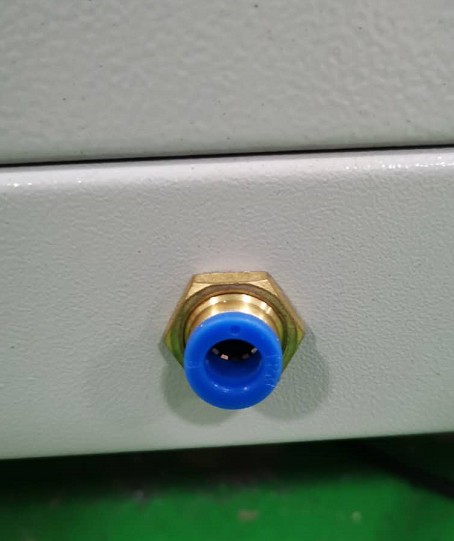
Connect the air hose from the air compressor to the air purifier, and connect the air hose from the air purifier’s outlet to the air hose port on this test instrument (as shown in the figure below). Start the external air compressor.
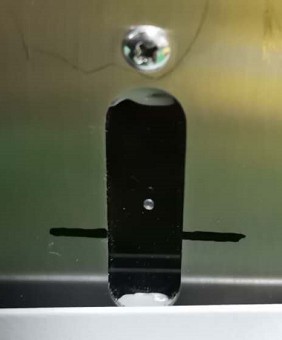
1. Before testing, add a 2% solution of sodium chloride or paraffin oil to the aerosol generator shown in the figure below. Sodium chloride (NaCl) and paraffin oil (DOP) must be added separately to different aerosol generators (if added incorrectly, the generator must be thoroughly cleaned multiple times before it can be turned on and used). The amount added should be limited to one-third of the liquid level (the black mark indicates the optimal level), as shown in the figure on the right below.
After 24 hours of testing, as the amount of particulate matter in the solution decreases, the solution must be replaced.
Replacement procedure: Pour out the original solution, rinse the aerosol generator chamber thoroughly with clean water, and then refill it with the prepared 2% solution.
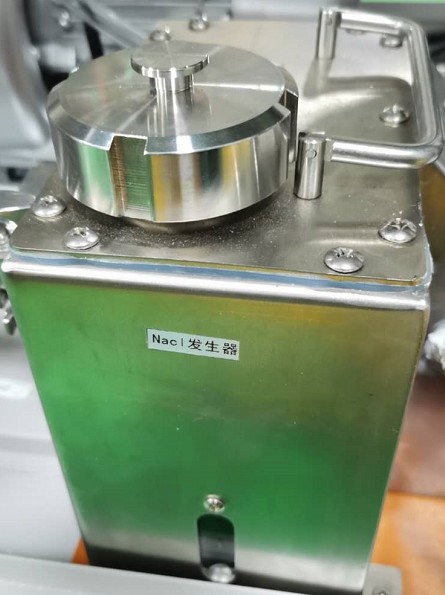
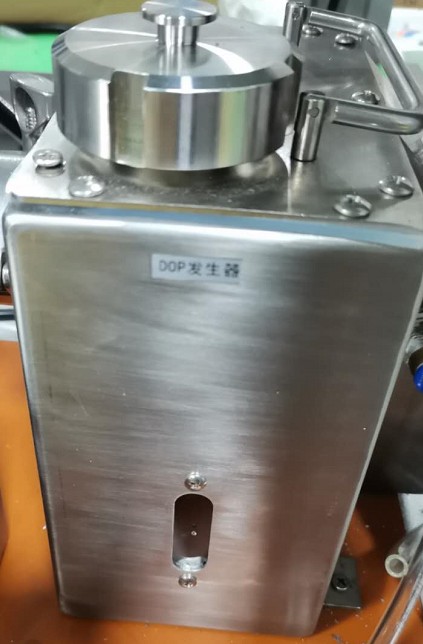
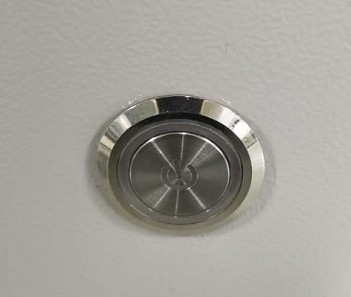
2. After plugging in the power cord, press the power button on the tester (lower left image) and wait for the industrial control computer to display the operating interface (lower right image).
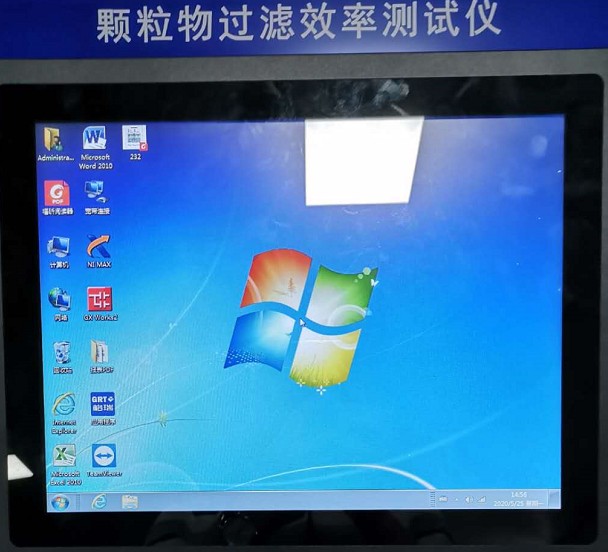
3. Click the desktop Particulate Filtration Efficiency Tester application icon to open the operating system interface shown in the figure below on the right.
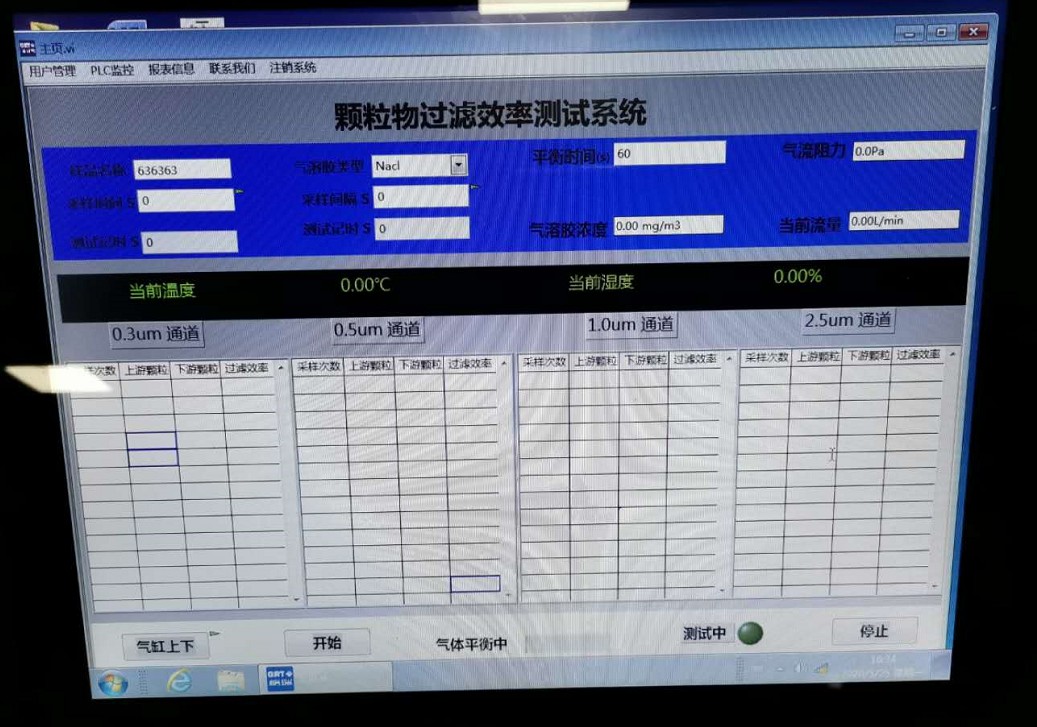
Click the “Report Information” menu bar to open the Report Information window shown below. Fill in the report display information in the order provided.
Return to the main operating system interface, select the aerosol type (sodium chloride (NaCl) or paraffin oil (DOP)), set the equilibration time (recommended time: at least 60 seconds), set the sampling time (recommended time: at least 60 seconds), and set the sampling interval(recommended setting: approximately 10 seconds).
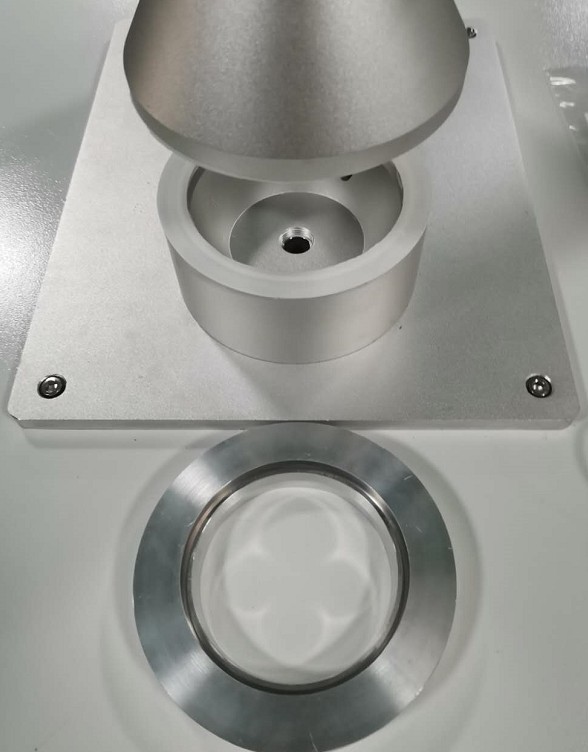
Next, place the test sample flat in the center of the upper and lower fixture platforms (as shown below). KN95 masks must be secured using specialized fixtures for testing. Then, click the “Cylinder Up/Down” button in the lower-left corner of the operating system interface to complete the pre-test preparations.
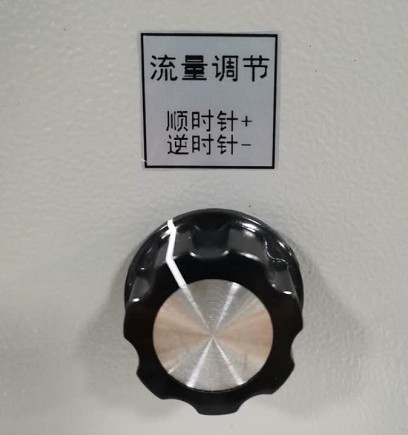
Click the Start button at the bottom of the main operating system interface to begin the test. At this point, the balancing time countdown begins; once the balancing time is complete, the system enters the sampling timing phase. While the balancing time is counting down, adjust the flow control knob on the right side of the display (as shown below) to set the desired stable flow rate (reference value: 32 L/min for single-layer, 85 L/min for double-layer).
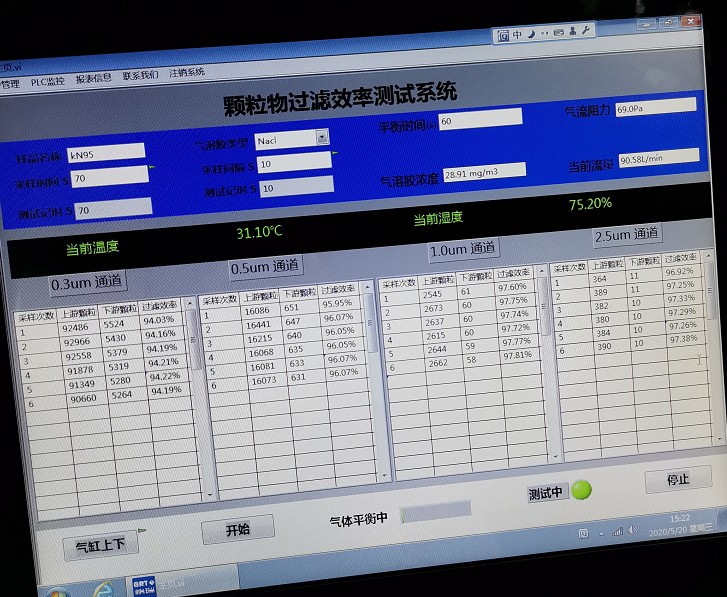
Once the equilibration countdown is complete, the instrument enters the sampling test mode. The instrument generates a set of experimental data at each preset time interval. It automatically calculates the current particle count, filtration efficiency, airflow resistance, aerosol concentration, and other values.
Once the test is complete, the instrument will automatically display a save dialog box. After selecting a save location, you can save the test report in PDF format, as shown in the figure below.
1. ملاحظات مهمة
Do not use a power source with a voltage other than the specified voltage.
When placing samples, please be careful to avoid pinching your fingers.
The machine must be properly grounded while in operation.
Do not use the device if the power cord or plug is damaged, or if the plug does not fit securely into the outlet.
Do not touch the power cord with wet hands, and be careful not to damage it.
Do not place any foreign objects inside the enclosure; keep it dry and clean. Non-professionals should not open the enclosure door.
If any abnormal situation occurs while the machine is operating, immediately press the “Emergency Stop” switch or cut off the power.
Clean the aerosol generator regularly every 24 hours of use.